Student loan debt can make it difficult to tell whether homeownership is financially within reach…
Construction Loans: Finance Your Custom Colorado Home
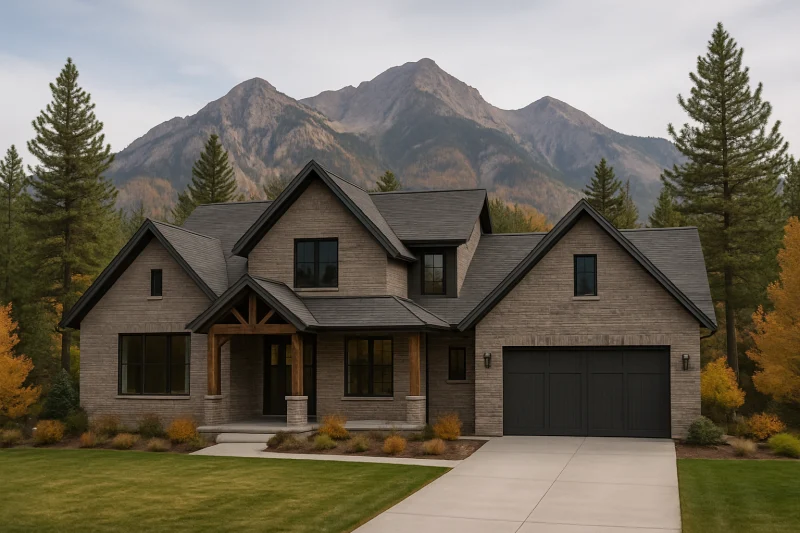
Building a custom home in Colorado is exciting, but coordinating land, construction costs, and mortgage financing can feel overwhelming. A construction loan is short-term financing that funds an eligible home build through scheduled draws, with repayment handled through a separate mortgage or a construction-to-permanent conversion. In this guide, I’ll explain how construction loans work, what lenders typically review, and how to prepare for a custom build in Colorado.
Key Takeaways
- Purpose: Construction loans finance eligible land, labor, materials, permits, and other approved costs associated with building a home.
- Funding: Money is generally released in stages called draws rather than as one lump sum.
- Requirements: Lenders typically review the borrower, builder, plans, budget, property, and projected completed value.
- Timeline: Approval and construction often take several months, but the schedule depends on the project, permitting, location, and builder.
- Best For: These loans may fit borrowers building a primary residence, second home, or other eligible property that meets the selected program’s guidelines.
Quick Answers About Construction Loans
- How is construction money released? The lender typically releases funds through draws after confirming that specific stages of work have been completed.
- Can a construction loan include the land? Often, yes. A loan may finance an eligible land purchase, or existing land equity may be considered as part of the transaction.
- When do payments begin? Payments commonly begin during construction and may be based on the amount already disbursed, although terms vary by program.
- Is the construction interest rate fixed? It depends. Some programs use a variable construction rate, while others may offer a rate-lock feature or defined permanent loan terms.
Through Chelsea Brodal (NMLS# 566203), I help Colorado borrowers evaluate construction financing alongside their long-term mortgage goals. With 16 years of mortgage experience and an underwriting background, I focus on identifying documentation needs and potential issues before they disrupt a build.
How Does a Construction Loan Work?
A construction loan differs from a standard purchase mortgage because the home securing the loan is not yet complete. Instead of lending against an existing finished property, the lender evaluates the proposed home, construction plans, budget, builder, land, and expected value at completion.
Once the loan closes, approved funds are placed into a construction account. The builder requests draws as work progresses. An inspection or other verification is generally required before each draw is released.
A typical draw schedule may correspond with milestones such as:
- Site preparation, excavation, and foundation
- Framing and roofing
- Plumbing, electrical, and mechanical work
- Insulation, drywall, and interior finishes
- Final completion and required inspections
The exact draw schedule is established before closing and should align with the construction contract. Lenders generally do not release funds for work outside the approved plans and budget without reviewing and authorizing the change.
Borrowers considering this path can review the basic structure of a construction home loan before comparing specific program terms.
Two Main Types of Construction Financing
Construction financing is commonly structured as either a construction-to-permanent loan or a standalone construction loan. The right structure depends on the project, lender availability, permanent financing goals, and current guidelines.
| Feature | Construction-to-Permanent | Standalone Construction |
|---|---|---|
| Basic structure | Combines construction financing and the permanent mortgage into one planned transaction. | Funds construction first, followed by a separate permanent mortgage after completion. |
| Closing process | Commonly designed around one initial closing, subject to the program’s conversion requirements. | Usually requires a second qualification and closing for permanent financing. |
| Rate considerations | Permanent terms may be established or locked according to the lender’s policy. | The permanent rate is generally based on market conditions when the later mortgage is arranged. |
| Potential advantage | May reduce the uncertainty and expense associated with arranging a second loan. | May offer flexibility when the borrower wants to choose permanent financing after construction. |
Neither structure is automatically better. A standalone loan can provide flexibility, but it also introduces the risk that income, credit, property value, or market conditions could change before the permanent mortgage closes.
What Do Lenders Review for a Construction Loan?
Construction underwriting has two connected parts: qualifying the borrower and approving the project. A strong financial profile does not replace an acceptable construction plan, and an excellent building plan does not replace borrower qualification.
Borrower Qualifications
Lenders commonly evaluate:
- Credit history and current obligations
- Documented income and employment or business history
- Assets available for the required investment, reserves, and closing costs
- Debt-to-income ratio under the selected program
- Intended occupancy and property eligibility
Self-employed borrowers may need personal and business tax returns, year-to-date financial statements, business bank statements, or other documentation. Requirements depend on business structure, ownership percentage, loan program, and underwriting findings.
Builder and Project Approval
The lender may also request:
- A signed construction contract
- Detailed plans and specifications
- A line-item project budget
- A realistic construction schedule
- Builder licensing, insurance, references, and financial information
- Applicable permits or evidence of the permitting process
- An appraisal based on the home’s proposed completed condition
Builder approval is separate from borrower approval. Many programs require an experienced, properly documented general contractor and do not allow the borrower to act as the builder. Owner-builder projects are available only through limited programs and generally receive additional scrutiny.
How the Down Payment and Land Equity Are Calculated
The required borrower investment varies based on the loan program, occupancy, credit profile, total project cost, and completed appraised value. Construction loans often require more upfront resources than standard purchase loans because incomplete-property financing carries additional risk.
If you already own the land, its documented equity may sometimes count toward the required investment. The lender will review the land’s value, purchase history, existing liens, and how long you have owned it. Equity treatment varies, so it should be confirmed before relying on it for the transaction.
The lender generally bases the loan on an approved relationship between project cost and completed value, not simply the amount requested by the builder. If the appraisal is lower than expected or the budget increases, the borrower may need additional funds or a revised project scope.
Colorado Factors That Can Affect a Custom Build
Colorado construction projects can involve location-specific issues that should be addressed early. A build in Greater Denver may face different costs, permitting procedures, and site requirements than a mountain, foothills, or rural property near Fort Collins, Loveland, Brighton, Keenesburg, or Fort Lupton.
Land and Site Conditions
Rock excavation, sloped lots, well and septic systems, utility access, soil conditions, driveway requirements, and wildfire-related building standards can affect the budget and timeline. These items should be reflected in the plans and bids rather than treated as minor contingencies.
Permits and Construction Timing
Permit timing varies by city and county. Weather, material availability, inspections, and subcontractor scheduling can also delay construction. A realistic contract should explain how delays, change orders, and cost increases will be handled.
High-Cost Projects
Some custom homes in Denver, Boulder, Broomfield, Arvada, Colorado Springs, and nearby markets may exceed current conforming loan limits. Depending on county limits and loan size, borrowers may need high-balance, super-conforming, or jumbo home loan financing for the permanent phase.
Loan limits, lender overlays, and program availability change. Current guidelines should always be confirmed for the property’s county and the borrower’s circumstances.
Steps to Prepare for Construction Financing
- Start with financial pre-approval planning. Review income, credit, assets, monthly obligations, and your estimated housing payment before finalizing plans.
- Clarify the total project scope. Include land, site work, utility connections, permits, construction, professional services, and an appropriate contingency.
- Select an eligible builder. Ask about experience with lender-managed draws, required insurance, licensing, and documentation.
- Gather detailed plans and bids. Incomplete plans can make it difficult to obtain an accurate appraisal or final approval.
- Compare loan structures. Evaluate construction-to-permanent and standalone financing, including rate treatment, closing costs, conversion rules, and documentation requirements.
- Plan for changes. Decide how upgrades, overruns, delays, and appraisal shortfalls would be funded before construction begins.
- Avoid major financial changes. New debt, reduced assets, employment changes, or significant credit activity can affect qualification before or during construction.
Construction Loan Costs and Rate Considerations
Construction financing may include appraisal charges, inspections, title services, draw administration, recording costs, lender fees, and permanent mortgage expenses. The amount and timing of these costs vary by lender, location, and project.
Rates may also be structured differently during construction and after completion. Ask whether the construction rate can change, how a permanent rate is established, whether an extension fee applies if the project is delayed, and what conditions must be met for conversion.
As of 2026, rates, fees, loan limits, and underwriting requirements can change with market conditions and program updates. Request a current written estimate and verify which costs are included in the construction contract versus the loan closing.
Let’s Review Your Colorado Construction Plans
A successful custom build starts with a realistic budget, an eligible builder, and financing that supports both the construction phase and your long-term mortgage goals. Early planning is especially important when the project involves rural land, a mountain property, an accessory dwelling unit, unusual income documentation, or a higher loan amount.
I invite you to call, text, or email me to review your scenario, compare available construction loan structures, and understand the next steps. We can also discuss pre-approval planning before you purchase land, sign a building contract, or commit to final plans.
Frequently Asked Questions
Can self-employed borrowers qualify for a construction loan?
Yes, self-employed borrowers may qualify when their income, credit, assets, and project meet applicable guidelines. Documentation commonly includes tax returns and current business financial information, but the exact requirements vary by business structure and loan program.
Can a VA loan be used to build a custom home?
VA construction financing may be available to eligible Veterans and service members, potentially with no required down payment under standard VA eligibility rules. Lender participation is limited, and the borrower, builder, property, appraisal, and construction process must satisfy current VA and lender guidelines.
What happens if construction costs exceed the approved budget?
The lender will generally review the reason for the increase, any proposed change orders, and the remaining project funds. The borrower may need to contribute additional money or revise the project because unapproved overruns are not automatically added to the loan.
Can construction financing include an accessory dwelling unit?
An accessory dwelling unit may be eligible when zoning, permits, appraisal treatment, property type, and loan program guidelines allow it. The complete plans and budget should identify the unit so the lender and appraiser can evaluate the project correctly.
When should I apply for a construction loan?
Start pre-approval planning before purchasing land or signing a nonrefundable construction contract. Formal project approval generally becomes more productive once you have a builder, preliminary plans, specifications, and a detailed budget.
This is educational and not financial advice. Loan programs and guidelines can change. Talk with a licensed mortgage professional about your specific scenario.

About the Author
Chelsea Brodal
Branch Manager at Chelsea Brodal - Fairway Home Mortgage · NMLS #566203
For over 16 years, I’ve helped families build real wealth through homeownership by creating smart, strategic financing plans that actually support both your life today and your goals for the future. I don’t believe in one-size-fits-all lending.
Specializes in: Conventional, FHA, VA
Licensed in: AZ, CA, CO, FL, HI, IA, MN, NM, ND
Related Posts