Construction Loans: How They Work for Building Your Dream Home in Greater Denver
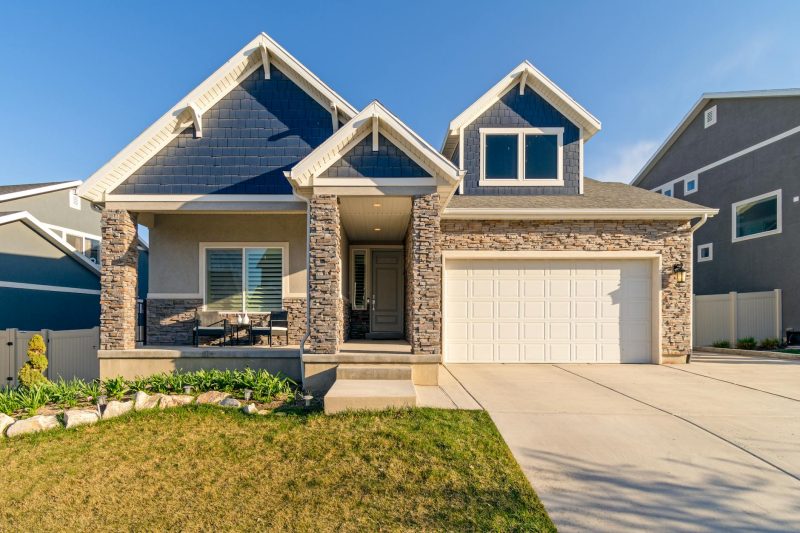
Building a custom home in the Greater Denver area is exciting, but figuring out construction loan financing can feel complicated. A construction loan is a short-term, specialized mortgage that provides funds in phases to build a new home, then converts to a permanent loan or is refinanced once construction is complete. In this guide, you’ll learn the step-by-step process of getting a construction loan, key requirements, and what to expect across the Front Range and Northern Colorado.
Key Takeaways
- Purpose: Construction loans finance the building of your new custom, modular, or manufactured home until completion.
- Requirements: Strong credit, documented income, detailed building plans, budget, builder contract, and a significant down payment are typically required.
- Timeline: Funds are released in stages as your builder completes milestones, and the process usually takes 6 to 12+ months depending on scope.
- Best For: Aspiring homeowners looking to build a home from the ground up, including those in the Denver metro, foothills, or rural Colorado.
Quick Answers: Construction Loans in Greater Denver
- How do construction loans work? Funds are delivered in draws during construction; once building is finished, the loan converts or is refinanced into a standard mortgage.
- Do I need a large down payment? Most lenders require a substantial down payment, although exact amounts vary and some programs offer flexibility for qualified buyers.
- What can I use a construction loan for? New primary or second homes, modular/manufactured homes on permanent foundations, and sometimes major renovations—check program guidelines.
- Who manages the payments to my builder? Lenders control payments, releasing funds only as work is completed and passes inspection—protecting both you and the lender.
- What happens when my house is finished? The construction loan is either converted into a permanent mortgage or is paid off with a new loan (refinance).
What is a Construction Loan?
A construction loan provides financing to cover the cost of building a new home, paid out in installments as construction milestones are met. Unlike traditional home financing, where you borrow a lump sum and repay over time, a construction loan is short-term and interest-only during the build phase. Once your home is complete, you’ll transition into a regular mortgage (sometimes automatically, sometimes requiring a new loan application).
Types of Construction Loans
There are several types of construction financing available in the Denver area, each designed for different needs:
- Construction-to-Permanent (“One-Time Close”): This loan covers both construction and permanent financing. You close once at the beginning; after the build, your loan automatically converts into a traditional mortgage. This reduces stress and saves you extra closing costs.
- Construction-Only (“Two-Time Close”): You secure a short-term loan for construction. Once the home is finished, you refinance into a permanent mortgage—meaning you’ll submit a new application and close twice.
- Renovation & Rehab Loans: Some programs allow you to finance major remodels or expansion projects, not just entirely new builds.
Who Should Consider a Construction Loan?
At Chelsea Brodal (NMLS# 566203), I help aspiring homeowners in the Greater Denver, Boulder, and Northern Colorado regions—including foothills and rural zones—evaluate whether construction financing fits their needs. You might be a good fit if:
- You want a truly custom-built home
- You own—or plan to buy—land to build on
- You can document income and assets, and meet current construction loan guidelines
- You understand that construction loans have more steps and may require a higher down payment than some standard loans
- You’re ready for more hands-on involvement in the homebuilding process
How Does the Construction Loan Process Work?
-
Preparation
Start by planning your budget, selecting a licensed builder, securing architectural plans, and identifying your build site. In the Greater Denver area, it’s common for buyers to secure land and construction financing together, but some prefer to buy land outright first. -
Application & Approval
Your lender will review your income, credit, assets, builder credentials, project timeline, and full construction budget (draw schedule). Appraisal is based on “as-completed” value—not current land value. -
Draw Process
Money is released in phases—typically at foundation, framing, roof, and major milestones. Inspections occur at each stage. Your builder is paid only as work is verified, reducing risk. -
Interest-Only Payments
During construction, you usually pay interest only on the funds disbursed—the balance grows as building progresses. -
Completion & Conversion
After your home passes final inspection, your loan either converts into a standard mortgage with principal/interest payments or you secure new financing.
Construction Loan Requirements in Denver and Northern Colorado
- Credit & Income: Lenders generally require strong credit and verifiable income. Guidelines may be stricter than for conventional purchases, but some flexibility exists for self-employed applicants with strong financials.
- Down Payment: Most construction loans require a down payment of at least 5-20%. Some programs allow for lower down payments, particularly for VA-eligible borrowers or those using special local programs—ask for current options.
- Documented Budget & Plans: You’ll need stamped plans, cost breakdowns, and a builder contract outlining total costs and timeline.
- Qualified Builder: The lender must approve your builder; owner-builders may face stricter requirements.
- Appraisal: Values your project based on projected completion, factoring local market conditions across Greater Denver, Boulder, Colorado Springs, and adjacent mountain or rural markets.
Comparison Table: Construction Loan vs. Traditional Mortgage
| Feature | Construction Loan | Traditional Mortgage |
|---|---|---|
| Purpose | Funds new build or major renovation | Purchases existing home or refinances |
| Term | Short-term, often 6–18 months | 15–30 year fixed or adjustable |
| Payment Structure | Interest-only during build, then converts | Principal + interest from the start |
| Collateral | Land + future improvements | Existing home |
| Disbursement | Draws based on construction progress | Full loan amount at closing |
Local Considerations: Denver, Boulder & Northern Colorado
Construction loans in the Denver metro and surrounding communities often involve unique considerations, such as:
- Mountain, Foothills, and Rural Builds: Additional requirements can apply for septic, wells, and site access—factor these into your plans and timeline.
- Land Acquisition: Some programs let you finance land and construction together; others require you own land upfront.
- VA Construction Loans: Eligible Veterans and service members can use their VA benefit for zero down construction-to-perm loans in many Colorado counties—reach out for current requirements and availability.
- High Balance & Jumbo: Building in high cost markets like Boulder or mountain communities? Jumbo and high balance construction financing is available, but guidelines may be stricter.
Steps to Get Started with a Construction Loan
- Meet with a mortgage professional experienced in construction loans. We’ll discuss your goals, budget, and explore available loan programs (Conventional, FHA, VA, portfolio, etc.).
- Gather documents and builder information. This may include tax returns, bank statements, employment details, site plans, blueprints, and builder credentials.
- Apply for pre-approval. Pre-approvals help you understand your budget, strengthen your builder agreement, and get clear on your upfront closing cost needs.
- Work with your builder and lender. Once approved, your lender manages inspections, draws, and paperwork so you and your builder can focus on turning your vision into a finished home.
Comparing Construction Loan Options
Not all construction loan programs are created equal, especially in a region as diverse as Greater Denver. Here’s what I recommend looking for:
- Down Payment Assistance: Some borrowers may qualify for local or state assistance to help offset upfront costs—especially first-time homebuyers.
- VA Construction Loans: For eligible Veterans, these can provide zero down options with no mortgage insurance.
- Bank Statement & Non-QM Loans: Self-employed borrowers or those with non-traditional income may have flexible documentation choices.
- Permanent Loan Terms: Review fixed vs. adjustable rates, payment timelines, and conversion rules to make sure they fit your long-term goals.
Ready to Start Building in Greater Denver?
If you’re thinking about building a home in Denver, Boulder, Colorado Springs, or the Front Range, it’s wise to start planning early. Requirements, timelines, and payment structures can be complex—especially for first-time builders or those needing financing flexibility.
I’m here to guide you through every step. Call, text, or email anytime to review your scenario—whether you’re considering your first custom project, have VA eligibility, or are navigating self-employment documentation. Together, we’ll compare your loan options, clarify next steps, and map a pre-approval plan for your dream home build.
Frequently Asked Questions
Can I use a construction loan to buy land?
Yes, many construction loans allow you to finance both the land and the construction costs together. In some cases, you may need to already own the land, so check program guidelines or ask your lender for details.
How is the builder paid during construction?
Lenders pay your builder in “draws” as each stage of construction is completed and inspected. This protects you from paying for incomplete or unsatisfactory work, as funds are only released when progress is verified.
Are there special options for Veterans and service members?
Yes, VA construction loans are available to eligible Veterans and service members, offering the potential for zero down payment and other benefits. These programs have specific requirements—let’s discuss your eligibility and current options in Colorado counties.
What do I need to qualify for a construction loan?
You’ll typically need strong credit, documented income and assets, a detailed builder contract, architectural plans, and a down payment. Self-employed borrowers can qualify, but may need to provide additional documentation.
Can I act as my own builder (owner-builder) on a construction loan?
Some lenders allow owner-builders, but requirements are much stricter and it’s less common in high cost or urban markets. You’ll need construction experience and detailed plans—many lenders require a licensed general contractor.
This is educational and not financial advice. Loan programs and guidelines can change. Talk with a licensed mortgage professional about your specific scenario.

Chelsea Brodal
For over 16 years, I’ve helped families build real wealth through homeownership by creating smart, strategic financing plans that actually support both your life today and your goals for the future. I don’t believe in one-size-fits-all lending.
Related Posts