Student loan debt can make it difficult to tell whether homeownership is financially within reach…
Jumbo Loan Options for Higher-Priced Homes in Greater Denver

Buying a higher-priced home can create financing questions that do not come up with a standard conforming mortgage. A jumbo loan is a mortgage that exceeds the conforming loan limit for the property’s county and therefore is not eligible for purchase by Fannie Mae or Freddie Mac. In this guide, I’ll explain the jumbo loan options available in Greater Denver, common qualification requirements, and how to prepare for underwriting.
Key Takeaways
- Loan Size: A jumbo mortgage is used when the loan amount exceeds the current conforming limit for the county where the property is located.
- Qualification: Jumbo programs commonly require strong credit, stable documented income, sufficient assets, and cash reserves after closing.
- Options: Borrowers may have access to fixed-rate, adjustable-rate, VA, bank statement, and other non-QM jumbo programs.
- Property Review: The home must meet the lender’s property standards, and certain transactions may require additional appraisal review.
- Best For: Jumbo financing may fit buyers purchasing higher-priced primary homes, second homes, or eligible investment properties.
At Chelsea Brodal (NMLS# 566203), I help borrowers compare jumbo financing structures based on the property, income documentation, available assets, and long-term plans. This matters throughout Greater Denver because conforming limits vary by county, and a loan considered jumbo in one location may fall within conforming or high-balance guidelines in another.
Quick Answers About Jumbo Loans
- What makes a mortgage a jumbo loan? The loan becomes jumbo when its amount exceeds the applicable conforming loan limit for the property’s county.
- Are jumbo mortgage rates always higher? No. Jumbo pricing depends on market conditions, credit, down payment, occupancy, loan structure, and lender appetite.
- How much money do I need to put down? There is no single jumbo down payment requirement. Some programs permit a smaller down payment, while others require more equity based on the loan amount and borrower profile.
- Can a self-employed borrower qualify? Yes, provided the borrower meets the program’s income, credit, asset, and documentation requirements.
- Can an eligible Veteran use VA financing above conforming limits? Potentially. Veterans with full entitlement may be able to obtain VA financing above the conforming limit without a program-imposed maximum loan amount, subject to lender approval and qualification.
How Jumbo Loan Limits Work in Greater Denver
Conforming loan limits are established annually and may differ by county. Some higher-cost counties receive limits above the national baseline. Loans within those elevated limits may be described as high-balance or super-conforming mortgages rather than jumbo loans.
This distinction matters because conforming, high-balance, and jumbo loans can have different underwriting rules, pricing, reserve requirements, and property standards. A higher-priced home does not automatically require a jumbo mortgage; the determining factor is the loan amount after the down payment, not the purchase price by itself.
For example, financing in Denver, Boulder, Broomfield, Arvada, Thornton, Westminster, or the surrounding foothills should be evaluated using the current limit for the property’s county. Limits and program rules change, so I verify the current classification during pre-approval rather than relying on a previous year’s figures.
Common Jumbo Loan Options
Jumbo financing is not one standardized program. Banks, mortgage companies, and private investors may each offer different underwriting approaches. The right structure depends on how long the borrower plans to own the home, how income is documented, and how much liquidity will remain after closing.
| Jumbo Option | How It Works | Key Consideration |
|---|---|---|
| Fixed-Rate Jumbo | The interest rate and principal-and-interest payment remain fixed for the loan term. | Provides payment stability but may have different pricing than an adjustable-rate option. |
| Adjustable-Rate Jumbo | The initial rate is fixed for a specified period and may adjust later according to the loan terms. | Borrowers should evaluate adjustment caps and the potential payment after the initial period. |
| VA Financing | Eligible Veterans and service members may use VA financing for a loan amount above conforming limits. | Entitlement, occupancy, residual income, property eligibility, and lender guidelines apply. |
| Bank Statement Jumbo | Eligible self-employed borrowers may qualify using reviewed business or personal bank deposits instead of traditional tax-return income calculations. | Expense factors, deposit sourcing, credit standards, and reserve requirements vary by investor. |
| Bridge Financing | Short-term financing may help a borrower purchase before completing the sale of another property. | The borrower must understand carrying costs, repayment plans, and the risk that the existing property takes longer to sell. |
For a broader program overview, review my jumbo home loan options. Self-employed borrowers whose tax returns do not reflect current cash flow may also want to explore the documentation approach used by a bank statement mortgage program.
What Do Jumbo Lenders Look For?
Credit History
Jumbo programs commonly expect a stronger overall credit profile than many standard mortgage programs. The lender may review credit scores, payment history, outstanding obligations, recent credit inquiries, and significant derogatory events.
A minimum credit score is only one part of the decision. A borrower who meets a program’s stated score threshold may still need to satisfy requirements related to debt, liquidity, property type, and loan size. Individual lenders may also apply overlays that are more restrictive than an investor’s baseline guidelines.
Income and Employment
Salaried borrowers typically document income with pay statements, W-2s, and employment verification. Variable compensation such as bonuses, commissions, or overtime usually requires enough history to establish that it is stable and likely to continue.
Self-employed borrowers are often asked for personal and business tax returns, year-to-date financial statements, and business verification. Underwriters may adjust income for depreciation, nonrecurring expenses, business liabilities, and declining revenue. A bank statement program may offer an alternative, but it is not a no-document loan.
Debt-to-Income Ratio
Debt-to-income ratio compares required monthly debt payments with qualifying monthly income. Jumbo limits vary by program, and borrowers with higher ratios may need compensating factors such as stronger credit, greater reserves, or a larger down payment.
The qualifying payment may include principal, interest, property taxes, homeowners insurance, association dues, and other required housing expenses. A lender may also count payments on departing residences or other financed properties unless the program permits those obligations to be excluded.
Cash Reserves
Jumbo lenders often require borrowers to retain funds after closing. These reserves are generally measured against the property’s total monthly housing payment and may need to cover several months or, for some scenarios, more than a year.
Higher loan amounts, multiple financed properties, second homes, and investment properties can result in greater reserve requirements. Not every asset qualifies at full value, and retirement funds may be discounted to account for taxes, penalties, or market fluctuations.
How the Property Affects Jumbo Approval
Jumbo underwriting evaluates both the borrower and the real estate serving as collateral. A borrower may satisfy financial requirements while the property still needs additional review.
Property considerations may include:
- Appraised value: The lender must support the purchase price and requested loan amount with an acceptable valuation.
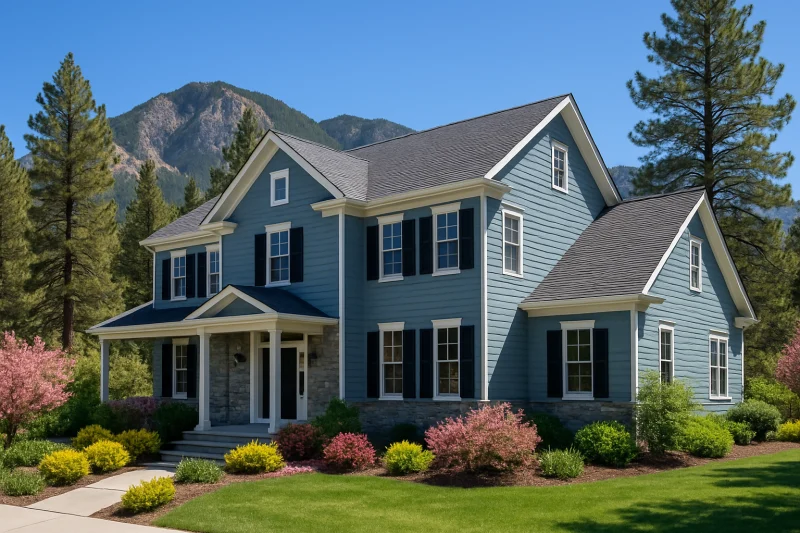
- Marketability: Unique homes, luxury features, acreage, and mountain properties may require more analysis because comparable sales can be limited.
- Condominium eligibility: The project’s insurance, budget, litigation, commercial space, and owner concentration may be reviewed.
- Accessory dwelling units: An ADU may be acceptable, but its design, legal status, value, and rental income treatment depend on the program.
- Manufactured housing: Jumbo options for manufactured homes are more limited, and property eligibility varies significantly by lender.
- Occupancy: Requirements differ for a primary home, second home, and investment property.
Some jumbo transactions require a second appraisal, appraisal review, or additional valuation report. That is more common with larger loan amounts or properties that are difficult to compare, but it is not universal.
Why Jumbo Pre-Approval Requires More Planning
A jumbo pre-approval should go beyond a quick review of income and credit. I generally recommend evaluating the proposed down payment, closing funds, post-closing reserves, tax and insurance estimates, and the treatment of every income source before a buyer writes an offer.
The basic planning process is:
- Confirm the county and expected loan classification. The loan may be conforming, high-balance, or jumbo depending on its size and location.
- Review income documentation. This includes identifying variable, self-employed, rental, or asset-based income that may require additional analysis.
- Verify funds for closing and reserves. Large deposits and transferred funds may need to be documented.
- Compare loan structures. Evaluate fixed and adjustable rates, down payment choices, mortgage insurance if applicable, and non-QM alternatives.
- Discuss the property early. Condos, mountain homes, acreage, ADUs, and other nonstandard features may affect program availability.
Pre-approval is still subject to full underwriting, an acceptable appraisal, title work, insurance, and final verification. It is not a guarantee of approval, but careful planning can identify documentation questions before the contract timeline begins.
Tradeoffs to Consider Before Choosing a Jumbo Loan
A larger down payment may improve pricing or reduce reserve requirements, but it also places more cash into the property. Keeping additional liquidity may be more valuable to a borrower who expects renovations, owns a business, or has other investments.
An adjustable-rate mortgage may offer attractive initial terms in some markets, but the payment can change after the initial fixed period. A fixed-rate jumbo mortgage provides long-term payment predictability, although refinancing later would involve new qualification and closing costs.
Borrowers purchasing before selling another home should also compare a traditional jumbo loan with bridge home loan financing. Bridge financing can solve a timing problem, but it introduces short-term costs and potential exposure to more than one housing obligation.
Rates, fees, loan limits, and underwriting requirements change. As of 2026, program availability also varies widely by lender and investor, so the useful comparison is not only the interest rate—it is the complete combination of qualification rules, cash required, reserves, payment structure, and long-term flexibility.
Review Your Greater Denver Jumbo Loan Scenario
If you are considering a higher-priced home in Denver, Boulder, Broomfield, Fort Collins, Loveland, Brighton, Fort Lupton, Thornton, Westminster, Arvada, Colorado Springs, or a nearby community, I invite you to call, text, or email me. I can review your scenario, compare available options, and explain the documentation and next steps for jumbo pre-approval planning.
Frequently Asked Questions
Can gift funds be used for a jumbo loan?
Some jumbo programs permit gift funds from an eligible donor, but the borrower may still need to contribute personal funds or maintain required reserves. The lender will generally document the donor, transfer, and source of the gift according to the program’s rules.
Why might a jumbo lender require two appraisals?
A second appraisal may be required when the loan amount is large, the property is unusual, or comparable sales are limited. The requirement comes from the specific lender or investor and does not apply to every jumbo transaction.
Can I use a jumbo loan for a condo or mountain property?
Potentially, but both the borrower and property must meet the program’s guidelines. Condominiums may require project review, while mountain or unique homes may receive additional valuation scrutiny because comparable sales can be limited.
Does a jumbo loan take longer to close?
It can, especially if the file needs additional asset documentation, a second appraisal, or investor review. Providing complete financial documents early can help establish a realistic closing schedule, although timing varies by transaction.
What happens if I buy a new home before selling my current home?
The lender may need to count both housing payments unless the applicable guidelines allow the departing residence payment to be excluded. Options may include qualifying with both obligations, documenting eligible rental income, using bridge financing, or completing the sale before the new purchase.
This is educational and not financial advice. Loan programs and guidelines can change. Talk with a licensed mortgage professional about your specific scenario.

About the Author
Chelsea Brodal
Branch Manager at Chelsea Brodal - Fairway Home Mortgage · NMLS #566203
For over 16 years, I’ve helped families build real wealth through homeownership by creating smart, strategic financing plans that actually support both your life today and your goals for the future. I don’t believe in one-size-fits-all lending.
Specializes in: Conventional, FHA, VA
Licensed in: AZ, CA, CO, FL, HI, IA, MN, NM, ND
Related Posts