Jumbo Loans Explained: Buying a High-Value Home in Denver
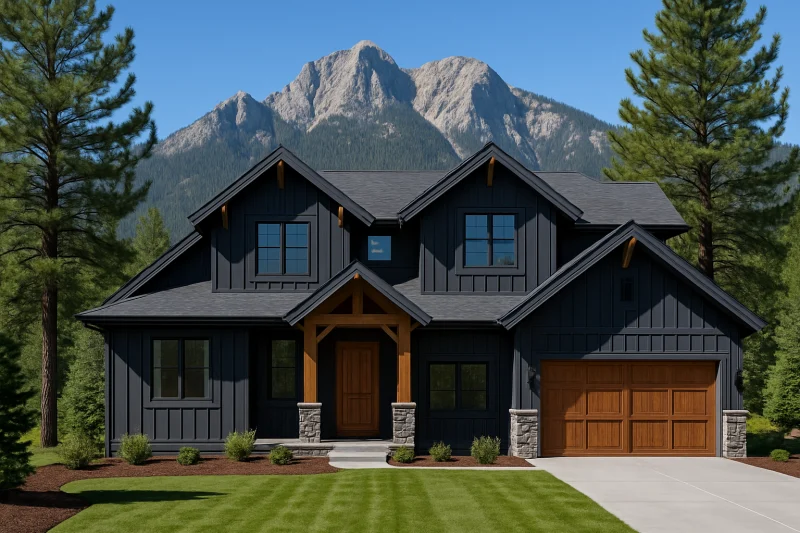
Shopping for a high-value home in Denver or along the Front Range is exciting, but many buyers quickly realize traditional loan limits may not be enough to finance their dream property. A jumbo loan is a mortgage that exceeds the conforming loan limits set by the Federal Housing Finance Agency and is designed to help buyers finance higher-priced homes. In this article, I’ll explain what jumbo loans are, how they work in the Denver area, what you’ll need to qualify, and how they compare to other financing options.
Key Takeaways
- Purpose: Jumbo loans help buyers finance properties above conforming loan limits in high-cost markets.
- Eligibility: Typically requires higher credit scores, substantial reserves, and more documentation.
- Process Timeline: May take longer than a standard mortgage due to stricter underwriting and appraisal requirements.
- Best For: Buyers purchasing high-value or luxury homes, or those seeking unique properties in markets like Denver, Boulder, and Colorado Springs.
What Is a Jumbo Loan?
A jumbo loan is a mortgage that exceeds the conforming loan limit set by Fannie Mae and Freddie Mac. In most counties, this means financing a home that costs more than what’s allowed for standard “conventional” loans. Because these loans can’t be sold to government-sponsored entities, lenders take on more risk, resulting in stricter requirements for borrowers.
The exact conforming loan limits vary by county and can change annually—so what’s considered “jumbo” in Denver or Boulder may differ from other markets. Always check current limits or connect with a lender for up-to-date information.
Who Typically Uses Jumbo Loans?
Jumbo loans are often the go-to solution for buyers who:
- Are purchasing high-value homes, especially above the conforming limit for their county
- Need to finance homes in areas with elevated property values (Denver, Boulder, foothills, and mountain communities)
- Are self-employed or have complex income that exceeds standard loan caps
- Are purchasing investment properties or unique properties that need higher loan amounts
At Chelsea Brodal (NMLS# 566203), we guide buyers through the entire jumbo loan process, whether it’s your dream home in the city, a mountain retreat, or a luxury property with unique features.
Jumbo Loan Requirements: What Lenders Look For
Because jumbo loans are not eligible for purchase by Fannie Mae or Freddie Mac, lenders set their own guidelines—which are typically more robust than for a standard mortgage. Here are common requirements:
- Higher credit score: Lenders generally look for a strong credit profile due to the larger loan amounts.
- Lower debt-to-income (DTI) ratio: You’ll often need to show a lower DTI to demonstrate you can manage a bigger monthly payment.
- Larger down payment: Many lenders want a down payment higher than the minimums for conforming loans. Check with your lender, as requirements vary by loan scenario and amount.
- Substantial cash reserves: Expect to verify that you have enough reserves to cover several months of payments, sometimes more.
- Documentation: Be ready to provide detailed proof of income, assets, and any other financials—especially for self-employed borrowers.
It’s important to note these guidelines may vary significantly based on your personal situation and lender policies. Always check requirements for your specific home-buying needs.
Jumbo Loan Process: Timeline and Steps
The process for a jumbo loan is similar to a conventional mortgage, but often involves more documentation and deeper underwriting. Here’s a step-by-step overview:
- Pre-approval: You’ll submit your financial documents for review and discuss your goals with your lender.
- Offer & contract: When you’re ready to buy, your lender verifies your eligibility for a jumbo loan amount that covers the home’s price.
- Full application: Expect a thorough review of finances, especially assets and income.
- Appraisal: A licensed appraiser determines your home’s value, ensuring it supports the loan request. Jumbo homes often require more scrutiny or a second appraisal.
- Final approval and closing: Once all steps are complete, you’ll finalize the paperwork and move toward closing.
Timeline: While some jumbo loans can close as quickly as standard loans, the process sometimes takes longer—plan on a few extra days for underwriting and document review, especially for complex income or unique properties.
Jumbo vs. Conventional Loans: What’s Different?
| Feature | Jumbo Loan | Conventional Loan |
|---|---|---|
| Loan Amount | Above conforming loan limit | Up to conforming loan limit (varies by county) |
| Down Payment | Typically higher (check with lender) | As low as 3% for some buyers |
| Credit Score | Generally higher required | More flexible |
| Reserves | More months of reserves often needed | Standard reserves |
| PMI | Private mortgage insurance may not be available—higher down payment usually required to offset risk | PMI required below 20% down |
For a more detailed comparison of all your options, visit the Jumbo Home Loan page and Loan Options overview.
Are Jumbo Loans Only for New Construction or Luxury Homes?
No—while jumbo loans are common for high-end or newly-built homes, you can use them to finance any property that exceeds the conforming loan limits. This includes:
- Existing homes in markets with rapid appreciation (Denver, Boulder, Fort Collins, and surrounding areas)
- Mountain cabins, rural properties, or large-acreage homes
- Multi-unit properties and second homes (when the price is above the conforming threshold)
If you’re shopping in a high-cost or unique market, a jumbo loan simply ensures you have the financing flexibility traditional programs may not provide.
Special Considerations for Denver and Colorado Buyers
Higher property values are common in our area, meaning many buyers quickly reach or exceed conforming limits. Mountain, foothills, and luxury neighborhoods often require creative solutions like jumbo loans or construction loan options for custom builds.
Appraisers in these markets may also have specific knowledge of unique property types—meaning a local, experienced lender can make a real difference in the speed and smoothness of your transaction.
Quick Answers: Jumbo Loans in Denver
- Q: What price home requires a jumbo loan in Denver?
A: Any loan amount above the conforming limit for Denver County (which varies) is considered jumbo. Always check with your lender for current limits. - Q: Do jumbo loans always have higher rates?
A: Rates on jumbo loans can be slightly higher than for conforming loans, but sometimes they are very competitive based on your scenario, credit, and market factors. - Q: Can I get a jumbo loan if I’m self-employed?
A: Yes—self-employed and non-traditional income borrowers can qualify, but documentation and underwriting are often more thorough. Ask about the Bank Statement Program if you need flexible documentation. - Q: Is private mortgage insurance (PMI) required on a jumbo loan?
A: PMI isn’t typically available for jumbo loans. Most borrowers put down enough to avoid it, but requirements vary. - Q: How do I start the jumbo loan process?
A: Contact a licensed mortgage professional for a pre-approval to review your income, assets, and purchase goals.
How to Prepare for a Jumbo Loan Purchase
If you’re thinking about buying a high-value home in the Greater Denver area, here’s how you can prepare:
- Review your credit: Check your credit profile and look for ways to strengthen it if needed.
- Save for a larger down payment and reserves: The more funds available, the more loan options you may have—including better terms.
- Organize your documentation: Gather tax returns, bank statements, pay stubs, and any asset or investment records.
- Plan for more detailed underwriting: Expect your lender to ask for thorough documentation, especially with self-employment or complex finances.
- Get pre-approved early: This gives you a clear picture of your budget and shows sellers you’re serious and prepared.
Next Steps: Start Your Jumbo Loan Conversation
Whether you’re a first-time buyer, looking for a move-up home, or purchasing an investment or second property in Denver, Boulder, or along the Front Range, navigating jumbo loan guidelines doesn’t have to be overwhelming. With 16 years of experience and a deep understanding of Colorado’s real estate market, I’m here to help you understand your options and guide you through every step of the process.
Call, text, or email me today to review your scenario, compare jumbo loan options, and map out the next steps—including pre-approval planning tailored to your goals.
Frequently Asked Questions
What is the minimum down payment for a jumbo loan?
Jumbo loans typically require a higher down payment than conforming loans. The exact amount depends on your lender, credit profile, and loan amount. For most scenarios, expect to put down more than the minimums required for standard loans, but always check current requirements with your lender.
Do jumbo loans take longer to close?
The process for a jumbo loan can take longer than a standard mortgage due to additional underwriting and, in some cases, the need for multiple appraisals. However, with good preparation and thorough documentation, many jumbo loans close on a similar timeline to conventional loans.
Is it harder to qualify for a jumbo loan?
Jumbo loans often have stricter qualification standards, including higher credit scores, lower debt-to-income ratios, and more documentation. If you’re self-employed or have complex income, talk with a lender early to see what’s needed for your scenario.
Can I use a jumbo loan for a second home or investment property?
Yes, many lenders allow jumbo loans for second homes and investment properties, provided you meet additional requirements. The guidelines may be stricter than for a primary residence, so review options early in your home search.
Are rates higher for jumbo loans?
Jumbo loan rates are often slightly higher than conforming loan rates, reflecting the increased risk for lenders. However, there are cases where jumbo rates can be very competitive, especially for buyers with strong credit and assets.
This is educational and not financial advice. Loan programs and guidelines can change. Talk with a licensed mortgage professional about your specific scenario.

Chelsea Brodal
For over 16 years, I’ve helped families build real wealth through homeownership by creating smart, strategic financing plans that actually support both your life today and your goals for the future. I don’t believe in one-size-fits-all lending.
Related Posts