
Rehab Loan Options in Greater Denver, CO
You may be able to purchase a home and roll the costs of the renovation into your loan.
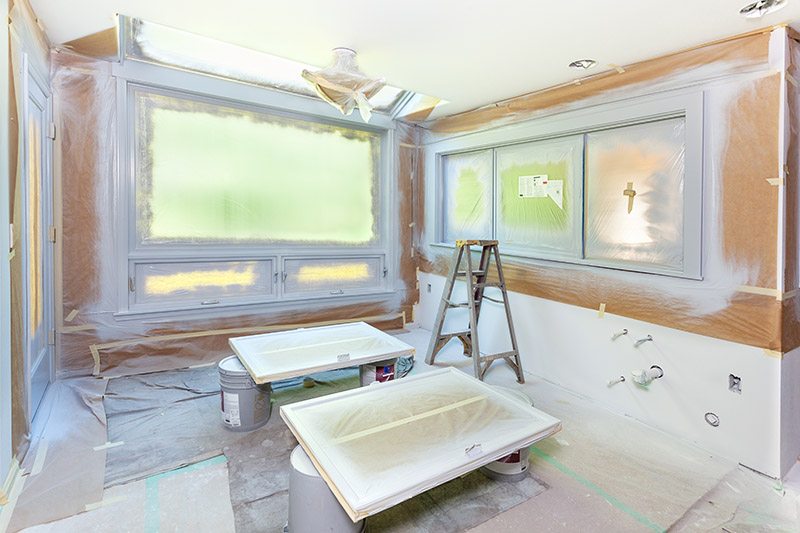
A rehab loan is a specialized mortgage that allows you to purchase and renovate a property with a single loan package. If you’re searching for a home in Greater Denver, CO that needs repairs or updates, working with a local chamber member like myself, Chelsea Brodal, can help you navigate the unique process of rehab loans and open up more affordable housing options. I’m here to guide you through every step, from evaluating properties to finalizing your renovation project.
Key Takeaways
- Combines Purchase and Renovation: A rehab loan in Greater Denver, CO lets you finance both the home purchase and the cost of repairs or upgrades with one mortgage.
- Expands Your Home Search: Rehab loans may be appropriate for buyers struggling to find move-in-ready homes within budget, especially in competitive neighborhoods.
- Multiple Program Types: Options include FHA 203(k), conventional renovation loans, and VA renovation loans for eligible veterans.
- Structured Funds Release: Renovation funds are held in escrow and released in draws as work is completed and inspected, ensuring accountability.
- Flexible for Diverse Borrowers: First-time buyers, veterans, and self-employed borrowers often find rehab mortgage programs accessible with the right documentation.
- Local Guidance is Critical: Working with a local chamber member familiar with Greater Denver’s market and permitting can help avoid costly delays.
- Alternative Loans Available: If a rehab loan isn’t the right fit, programs like FHA home loan, VA home loan, or fixed-rate mortgage may be worth considering.
Understanding Rehab Loan Basics
Rehab loans in Greater Denver, CO are designed to help buyers transform homes that need work into comfortable, modern spaces. These programs allow you to finance both the purchase and renovation costs, making them a strong option for buyers who want to customize a property or unlock value in older neighborhoods. In my experience, clients who use rehab loans often discover more inventory and can tailor their home to their needs, but the process does require extra planning and patience.
Common Questions About Rehab Loans
- What is a rehab loan? It’s a mortgage that combines the funds needed to buy a home and pay for renovations, repairs, or upgrades into a single loan, often based on the home’s future value after improvements.
- Who can use a rehab loan? Rehab loans may be available to first-time buyers, veterans, and self-employed individuals who meet credit, income, and renovation guidelines for the specific program.
- What kinds of renovations are allowed? Eligible improvements range from cosmetic updates to major structural repairs, depending on the loan type and lender requirements.
- How are renovation funds managed? The lender holds renovation funds in escrow and releases them in draws as each phase of work is completed and inspected.
- How does the loan amount get determined? The maximum loan is often based on the “after-improved” value of the property, subject to current 2026 loan limits for the program and county.
- What if a rehab loan isn’t right for me? You may want to explore alternatives like a construction home loan, fix & flip home loan, or cash out refinance depending on your goals.
How Rehab Loans Work
- Initial Consultation and Pre-Qualification: We’ll discuss your goals, review your finances, and determine which rehab loan program may be appropriate for your needs. This helps set expectations for budget and eligibility before you start shopping.
- Property Search: With your agent, you’ll look for homes in Greater Denver, CO that need repairs and are eligible for rehab financing. I can help you and your agent identify properties that fit program guidelines.
- Contractor Bids and Scope of Work: You’ll select a licensed contractor and work together to create a detailed scope of work and cost estimate. This documentation is essential for loan approval and determining the final loan amount.
- Loan Application and Appraisal: I’ll help you submit a full application, including contractor bids and renovation plans. The lender will order an appraisal based on the projected value after renovations are completed.
- Loan Approval and Closing: Once your loan is approved, you’ll close on the property. The seller is paid, and the renovation funds are placed in a lender-managed escrow account.
- Renovation Phase: Contractors begin the approved work. Funds are released in draws as each stage is finished and passes inspection, ensuring the project stays on track and meets lender requirements.
- Final Inspection and Occupancy: After all renovations are complete and the final inspection is passed, any remaining funds are disbursed, and you can move into your newly improved home.
Is a Rehab Mortgage Right for You?
Rehab loans may be a good fit for buyers who want to purchase a home that needs repairs or updates, especially in areas where move-in-ready inventory is limited or expensive. If you’re a first-time buyer, a veteran wanting to customize a property, or self-employed and looking for flexibility, a rehab mortgage can help you access homes that others might overlook. In our experience, buyers who are patient, detail-oriented, and willing to coordinate with contractors and inspectors tend to have successful rehab loan experiences.
However, rehab loans aren’t appropriate for everyone. If you need to move quickly, have limited time to manage a renovation, or prefer a straightforward purchase, you may want to consider alternatives. For example, a fixed-rate mortgage for a move-in-ready home or a low down payment purchase option may be worth exploring. In my experience, buyers who underestimate the time, paperwork, and coordination involved in a rehab loan often find the process stressful—an honest assessment upfront can help you decide if this route aligns with your needs.
Costs, Fees, and What to Expect with Rehab Loans
Rehab loans come with unique costs, timelines, and requirements compared to traditional mortgages. You’ll need to plan for standard closing costs, a required down payment (as low as 3.5% for FHA 203(k)), and additional fees for inspections, contractor oversight, and contingency reserves. Interest rates may be slightly higher than standard purchase loans due to the added complexity and risk.
The process from application to closing typically takes longer—often 45 to 60 days—because of the extra steps involved in contractor bids, appraisals, and lender review. After closing, renovation work usually must be completed within a set timeframe, often 6 to 12 months depending on the program. For example, on a $450,000 purchase with a $75,000 renovation budget, closing costs might total $9,000–$13,000, including standard fees and additional renovation escrow charges.
Here’s a comparison of rehab loans and traditional mortgages:
| Feature | Rehab Loan | Traditional Mortgage |
|---|---|---|
| Down Payment | As low as 3.5% (FHA 203(k)), varies by program | Typically 3%–20%, depending on loan type |
| Closing Costs | Standard fees plus renovation escrow, inspection, and contingency reserve | Standard fees only |
| Interest Rate | May be slightly higher due to renovation risk | Often lower for move-in-ready homes |
| Timeline to Close | 45–60 days on average | 30–45 days on average |
| Renovation Funds | Included, released in draws after inspections | Not included; separate financing needed for repairs |
| Eligible Properties | Homes needing repairs, subject to program guidelines | Move-in-ready homes |
It’s wise to budget for unexpected costs, as renovation projects often uncover surprises. Most rehab loans require a contingency reserve of 10–20% of the renovation budget to cover unforeseen expenses.
Common Mistakes to Avoid with Rehab Loans
- Underestimating the Renovation Budget: Many buyers don’t account for hidden issues like electrical, plumbing, or structural repairs. Always include a contingency reserve and get detailed contractor bids.
- Choosing Inexperienced Contractors: Not all contractors understand the documentation and draw process required by rehab lenders. In one case, a client’s project was delayed for weeks because the contractor didn’t provide the right paperwork for the lender’s inspection.
- Missing Permit Requirements: Each city or county in Greater Denver has its own permitting rules. Failing to secure proper permits can halt your project and delay fund disbursements.
- Assuming a Fast Move-In: Renovations can take months, and you may not be able to live in the home until major work is complete. Plan for temporary housing if needed.
- Delaying Documentation: Rehab loans involve more paperwork—delays in submitting contractor bids, permits, or inspection reports can push back your closing and renovation timeline.
- Overlooking Alternative Programs: Sometimes a cash out refinance or construction home loan may be more appropriate, especially if the property needs extensive rebuilding.
Local Considerations for Rehab Loans in Greater Denver, CO
The Greater Denver, CO area features a mix of historic neighborhoods and newer suburbs, each with unique renovation challenges and opportunities. Areas like Park Hill and Wheat Ridge are known for older homes with solid structures but outdated interiors, making them strong candidates for rehab mortgage programs. Denver’s tech and healthcare sectors attract buyers who want to customize homes near major employers like the Anschutz Medical Campus or downtown tech hubs. Local permitting processes can be strict—especially in the City of Denver and Lakewood—so it’s essential to work with contractors familiar with municipal requirements. In my experience, buyers who partner with local experts and understand the nuances of Denver’s market are more likely to complete renovations on time and within budget.
Ready to Explore Your Rehab Loan Options?
If you’re considering a rehab loan in Greater Denver, CO, I’d be honored to help you navigate the process from start to finish. Whether you’re a first-time buyer, a veteran, or self-employed, I can help you evaluate your options and connect you with trusted local resources. Let’s talk about your goals and see if a rehab mortgage is the right path—or if another program like an FHA home loan or VA home loan may be worth exploring. Get started with Chelsea Brodal (NMLS #566203) today by requesting a personalized quote: Get Started.
This is educational content and not financial advice. Loan programs and guidelines can change. Talk with a licensed mortgage professional about your specific scenario.
Surf my website to learn about our company, see our loan programs, and request a free consultation.
Get started today!
Fill out the questionnaire on this page to start a discussion about your mortgage needs today!