
USDA Loan Options in Greater Denver, CO
Buying a home with little or no down payment can provide opportunities for buyers that otherwise may not be able to become homeowners.
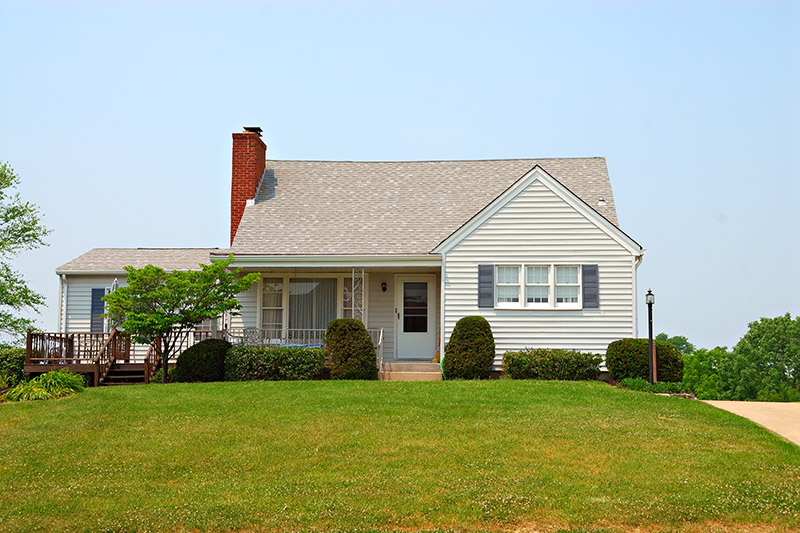
A USDA loan is a government-backed mortgage program that may allow eligible buyers in Greater Denver, CO to purchase a home in designated rural and select suburban areas with no down payment required. If you’re considering a USDA loan in Greater Denver, CO, I’m Chelsea Brodal (NMLS #566203), and I help local buyers—including first-time buyers, veterans, and self-employed borrowers—understand their options and navigate the process from start to finish. As an active member of the local chamber, I’m committed to providing honest, educational guidance for your home financing journey.
Key Takeaways
- No Down Payment Required: USDA loans in Greater Denver, CO may allow qualified buyers to purchase with 0% down in eligible areas.
- Location and Income Restrictions: Both the property location and your household income must meet current USDA guidelines for the loan to be an option.
- Primary Residence Only: The USDA mortgage program is designed for owner-occupied homes, not investment properties or vacation homes.
- Flexible Credit Standards: USDA loans often work well for buyers with moderate credit, though stronger credit may help you access more favorable terms.
- Upfront and Annual Fees: There are guarantee and annual fees, but these are often lower than private mortgage insurance on some other programs.
- Local Guidance Matters: Working with a USDA lender in Greater Denver, CO who understands local eligibility can help you avoid costly missteps.
- Alternative Programs Available: If you don’t meet USDA guidelines, FHA, VA, or conventional loans may be worth exploring for your needs.
Understanding USDA Loan Basics
USDA loans are unique among home financing options because they combine no down payment with targeted eligibility requirements. The USDA loan Greater Denver, CO program is specifically designed to help buyers in certain areas access affordable homeownership, but there are key differences from other mortgage types that are important to understand before you begin your search.
Common Questions About USDA Loans
- What is a USDA loan? It’s a government-backed mortgage program for eligible buyers purchasing homes in USDA-designated rural or suburban areas, often with no down payment required.
- Who can qualify for a USDA loan? You may qualify if your household income is within the current limits for your county and family size, and the property is located in a USDA-eligible area.
- Are there USDA-eligible areas near Greater Denver, CO? Yes, several communities on the outskirts of Greater Denver, CO, may be eligible—eligibility maps can change, so it’s important to check current boundaries with a local USDA lender.
- Can self-employed buyers use a USDA loan? Yes, self-employed borrowers may use a USDA mortgage if they can document qualifying income according to USDA guidelines.
- How does a USDA loan compare to FHA or VA loans? USDA loans require no down payment (like VA loans), but have income and location restrictions; FHA loans have more flexible property and income rules but require a minimum down payment.
- Is mortgage insurance required on a USDA loan? USDA loans require an upfront guarantee fee and an annual fee, which often cost less than private mortgage insurance on some other low down payment programs.
How USDA Loans Work
- Initial Consultation: We’ll discuss your goals, review your finances, and determine if a USDA loan may be appropriate based on your income, household size, and the areas you’re considering in Greater Denver, CO.
- Pre-Qualification: I’ll help you gather documentation—such as pay stubs, tax returns, and credit information—to estimate your buying power under current USDA guidelines.
- Property Search: You’ll work with a real estate agent to find homes in USDA-eligible areas. I can assist in verifying property eligibility using the latest USDA maps and tools.
- Formal Application: Once you’re under contract, we’ll submit a full application, including all required documentation for underwriting and eligibility verification.
- Processing and Underwriting: The lender reviews your financials, confirms the property and income meet USDA requirements, and checks for compliance with all program guidelines. This step typically takes a few weeks.
- USDA Commitment: After lender approval, your file is submitted to the USDA for a final review and issuance of a loan commitment. This step can add several days to the overall timeline, but I’ll keep you updated throughout.
- Closing: Once USDA approval is received, we schedule your closing. You’ll sign final documents, pay any closing costs, and receive the keys to your new home.
Is a USDA Loan Right for You?
USDA loans may be a good fit for buyers who want to purchase a primary residence in eligible rural or suburban areas near Greater Denver, CO and meet the program’s income limits. In my experience, first-time buyers, families seeking affordable options outside the city, and self-employed borrowers who can document consistent income often benefit from the USDA program. If you’re looking for a low or zero down payment option and are open to homes outside the urban core, a USDA loan may be worth exploring.
However, not everyone will find a USDA loan to be the right choice. If your preferred neighborhood isn’t USDA-eligible, or if your household income exceeds the current limits for your county and family size, you may want to consider alternatives. For example, FHA home loans offer flexible credit and down payment options without location restrictions, while VA home loans are designed for eligible veterans and service members. If you’re self-employed and need more flexible income documentation, our Bank Statement Program may be worth considering. I’m always happy to help you compare these options based on your unique scenario.
USDA Loan Costs, Fees, and What to Expect
Understanding the costs associated with a USDA loan can help you plan for a smooth home buying experience. While USDA loans allow for 0% down, you’ll still need to budget for closing costs, an upfront guarantee fee, and an annual fee (similar to mortgage insurance). As of 2026, the upfront guarantee fee is typically a small percentage of the loan amount, and the annual fee is paid monthly as part of your mortgage payment. These fees are often lower than private mortgage insurance required on other low down payment loans.
Closing costs for USDA loans are generally similar to other loan types and may include lender fees, title insurance, appraisal, and escrow. In some cases, you can negotiate for the seller to contribute toward closing costs. The timeline from application to closing is usually 30-45 days, though the USDA review step can sometimes add a few extra days. For example, on a $400,000 purchase with 0% down, closing costs typically run $7,000-$10,000, depending on the property and service providers chosen.
| Feature | USDA Loan | FHA Loan | Conventional Loan |
|---|---|---|---|
| Down Payment | 0% | 3.5% | 3-20% (varies) |
| Upfront Fee | Yes (guarantee fee) | Yes (MIP) | None or low (if applicable) |
| Annual Fee/MI | Yes (annual fee) | Yes (annual MIP) | Yes if <20% down (PMI) |
| Location Restrictions | Yes (eligible areas) | No | No |
| Income Limits | Yes (by county) | No | No |
| Timeline | 30-45 days | 30-45 days | 30-45 days |
If you want to learn more about low down payment options, check out our Low Down Payment Purchase Options page for a side-by-side comparison. For those interested in building, our Construction Home Loan program may also be worth exploring.
Common Mistakes to Avoid with USDA Loans
- Overlooking Property Eligibility: Not every home in Greater Denver, CO will qualify—always verify the address with current USDA maps before making an offer.
- Misunderstanding Income Limits: Exceeding the current household income limit for your county can disqualify you, so accurate documentation is essential.
- Assuming All Lenders Are USDA Experts: Not every lender is experienced with the USDA program; working with a local USDA lender can help you avoid unnecessary delays or denials.
- Underestimating Closing Costs: Even with no down payment, buyers sometimes overlook closing costs, which can be several thousand dollars and must be paid at closing unless negotiated with the seller.
- Depositing Large, Unexplained Sums: For example, if you deposit a large gift or tax refund shortly before applying, underwriters may require documentation or exclude it from qualifying income, which can delay approval.
- Forgetting About Occupancy Rules: USDA loans are for primary residences only; using the property as a rental or second home is not allowed under the program.
Local Considerations for USDA Loans in Greater Denver, CO
Greater Denver, CO is a diverse region where USDA eligibility can vary dramatically by neighborhood and local economic factors. In our experience, areas like Parker and Brighton on the outskirts of the metro area often include USDA-eligible properties, while central neighborhoods like Capitol Hill or Cherry Creek do not. Many buyers working in local industries such as aerospace, healthcare, or education at employers like Lockheed Martin or the University of Colorado Hospital find that living in outlying communities offers both affordability and eligibility for the USDA program. However, as new developments expand, eligibility maps can shift—so it’s vital to check current boundaries and consider how property types (such as small-acreage homes or new construction) may impact your options.
Ready to Explore Your USDA Loan Options?
Whether you’re a first-time buyer, a veteran, or self-employed, I’m here to help you navigate the USDA loan process in Greater Denver, CO with clarity and confidence. As a local chamber member and experienced USDA lender, I’ll guide you through every step, answer your questions, and help you compare programs like FHA home loans, VA home loans, or Bank Statement Program options if needed. Get started with Chelsea Brodal (NMLS #566203) today—request a personalized consultation or a quote at Get Started.
This is educational content and not financial advice. Loan programs and guidelines can change. Talk with a licensed mortgage professional about your specific scenario.
Surf my website to learn about our company, see our loan programs, and request a free consultation.
Get started today!
Fill out the questionnaire on this page to start a discussion about your mortgage needs today!