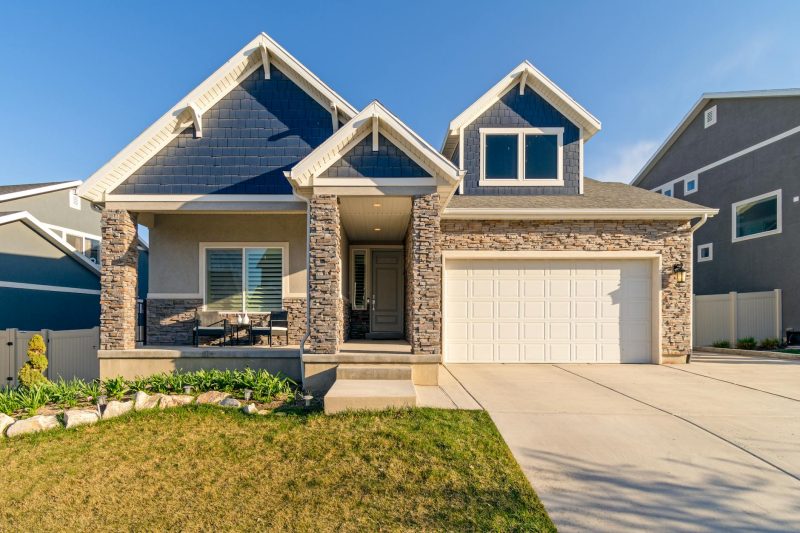
Building a custom home in the Greater Denver area is exciting, but figuring out construction…
Construction Loans: Build a Home in Colorado

Building a home in Colorado can be exciting, but coordinating the financing, builder, budget, permits, and construction timeline may feel overwhelming.
A construction loan is short-term financing that pays for eligible land and building costs through scheduled draws as construction progresses, with permanent mortgage financing arranged either upfront or after the home is complete.
In this guide, I’ll explain how construction loans work, the main loan structures, qualification requirements, and important planning considerations for building in Colorado.
Key Takeaways
- Purpose: Construction loans can finance eligible land, labor, materials, permits, and other costs associated with building a home.
- Funding: Money is released in stages called draws rather than delivered to the builder in one lump sum.
- Requirements: Approval typically involves reviewing the borrower, builder, plans, construction budget, appraisal, and project timeline.
- Timeline: Construction financing generally requires more preparation than a standard home purchase because the property does not yet exist in completed form.
- Best For: These loans may fit borrowers building a primary residence, second home, or eligible investment property, depending on the program.
I’m Chelsea Brodal (NMLS# 566203), and I help Colorado borrowers evaluate construction financing based on their property plans, qualifications, and long-term goals. With 16 years of mortgage experience and an underwriting background, I know how valuable it is to identify documentation and project issues before construction begins.
Quick Answers About Colorado Construction Loans
- What can a construction loan cover? Depending on the program, it may cover the lot, site preparation, permits, contractor labor, building materials, and other approved construction expenses.
- When do construction loan payments begin? Payments commonly begin during construction, often based on the amount already disbursed rather than the entire approved loan amount.
- Can land equity help with financing? Often, yes. If you already own the lot, its eligible equity may count toward the required contribution, subject to the appraisal and program guidelines.
- Can I serve as my own general contractor? Some programs permit owner-builders, but many lenders require an experienced, licensed, and approved general contractor.
How Does a Construction Loan Work?
A traditional mortgage finances a completed property. A construction loan finances a project that will become a completed property, so the lender must evaluate both the borrower and the proposed build.
The process normally begins with a review of your credit, income, assets, existing debts, land ownership, and proposed construction budget. The lender will also evaluate the builder, plans, specifications, contract, permits, and expected completion schedule.
An appraiser then estimates the property’s value subject to completion. This means the appraisal considers the plans, specifications, site, comparable properties, and the assumption that the home will be completed as proposed.
Once the loan closes, construction funds are held in a controlled account. The builder requests draws as defined stages of work are completed. An inspection or progress report is typically required before each draw is released.
Construction Draws Explained
A construction draw is a scheduled release of loan funds for completed work and eligible project expenses. The draw schedule is usually established before closing and aligned with construction milestones.
Common draw stages may include:
- Site preparation, excavation, and foundation
- Framing, roofing, windows, and exterior work
- Plumbing, electrical, and mechanical systems
- Insulation, drywall, cabinets, and interior finishes
- Final fixtures, landscaping, inspections, and completion items
The exact schedule depends on the contract and lender. Borrowers should understand how inspection costs, title updates, change orders, retainage, and draw processing are handled before closing.
Construction-to-Permanent vs. Construction-Only Loans
There are two primary ways to structure construction financing. The right option depends on program availability, your qualifications, the project, and your plans after completion.
| Feature | Construction-to-Permanent | Construction-Only |
|---|---|---|
| Closing structure | Construction and permanent financing are generally arranged in one transaction. | The construction loan and permanent mortgage are separate transactions. |
| After completion | The loan converts or modifies into permanent financing after required completion steps. | The construction balance must generally be paid through a new mortgage, sale, or other approved funds. |
| Qualification risk | Permanent financing is planned before the build, although final conditions still apply. | The borrower may need to qualify again when construction is finished. |
| Closing costs | May reduce duplicated closing steps, depending on the program. | May involve costs for two separate loan transactions. |
A construction home loan should be evaluated based on the complete financing structure—not simply the initial rate or payment. Rates, fees, draw procedures, and conversion requirements vary by lender and can change.
What Do You Need to Qualify for a Construction Loan?
Construction loan qualification is usually more detailed than qualification for an existing home because the lender is evaluating a borrower, a contractor, and a future property.
Borrower Qualifications
Lenders commonly review:
- Credit history and current debt obligations
- Stable, documentable income
- Funds available for the required contribution, reserves, and closing costs
- Debt-to-income ratio under the selected program
- Land ownership and any debt secured by the lot
- Plans for the completed property, such as primary residence, second home, or investment use
Self-employed borrowers may need business and personal tax returns, year-to-date financial statements, bank records, and other documentation. In certain scenarios, a bank statement program may provide an alternative way to document qualifying income, but availability for ground-up construction is more limited and guidelines vary.
Builder and Project Qualifications
The builder commonly must provide documentation such as:
- Licensing and insurance, when required
- Experience with similar construction projects
- A signed construction contract
- Detailed plans and specifications
- A line-item budget
- A project schedule and draw schedule
- References or financial information requested by the lender
Builder approval is separate from borrower approval. A strong borrower file does not automatically make an incomplete project or unqualified builder acceptable.
How Much Money Do You Need for a Construction Loan?
Construction loans often require more borrower equity and cash reserves than standard purchase mortgages. The amount depends on the loan program, occupancy, credit profile, total project cost, appraised value, and whether you already own the land.
The lender generally compares the total project cost with the completed appraised value. If costs exceed the supported value, you may need to cover the difference because the loan cannot necessarily be increased to match every expense.
Your required funds may include:
- A down payment or documented land equity
- Closing costs and prepaid expenses
- Construction contingency funds
- Reserves for housing payments and other obligations
- Costs that are not eligible for financing
- Approved upgrades or change orders made during construction
As of 2026, program terms and lender overlays continue to vary. Conventional, FHA, and VA construction options may be available, but minimum contributions, builder requirements, and eligible property types are not identical. Verify current guidelines before purchasing land or signing a nonrefundable building contract.
Colorado Factors That Can Affect a Home Build
Colorado construction projects can involve local considerations that are less common in a standard subdivision purchase. These factors may influence the budget, appraisal, insurance, timeline, and loan approval.
Mountain and Foothills Construction
Mountain and foothills properties may require additional analysis for access, slope, grading, utilities, drainage, soil, well and septic systems, wildfire-related insurance, and seasonal construction limits. A low lot price does not always mean a low total development cost.
Rural Properties and Utilities
In rural areas near communities such as Brighton, Keenesburg, Fort Lupton, Loveland, or Fort Collins, the project may involve wells, septic systems, propane, private roads, or utility extensions. The lender and appraiser need enough information to determine whether these items are included in the budget and whether the completed property meets program requirements.
High-Cost Builds and Jumbo Financing
Custom construction in Denver, Boulder, Broomfield, and other high-cost markets may exceed current conforming or high-balance loan limits. In that situation, a jumbo home loan structure may be considered. Jumbo construction guidelines commonly require stronger reserves, documentation, and project review, although requirements vary.
Manufactured Homes and ADUs
Manufactured housing, modular construction, and accessory dwelling units are not treated identically. The construction method, foundation, title status, zoning, utility setup, and intended property configuration can all affect eligibility. Confirm the proposed design with the lender before relying on a particular loan program.
Steps to Finance a Colorado Home Build
- Review your financial profile. Evaluate income, credit, debts, available funds, reserves, land ownership, and the intended use of the property.
- Choose the financing structure. Compare construction-to-permanent financing with a construction-only loan and understand the permanent mortgage plan.
- Select the lot and builder carefully. Do not assume every property, contractor, or building method will meet lender guidelines.
- Complete plans and specifications. The lender and appraiser need enough detail to understand what is being built.
- Build a realistic budget. Include site work, permits, utilities, allowances, professional services, contingency funds, and potential seasonal costs.
- Order the appraisal and project review. The appraisal estimates the completed value, while the lender evaluates the builder and construction documents.
- Close and begin the draw process. Funds are released according to the approved schedule after required inspections or progress verification.
- Complete final requirements. Final inspections, lien documentation, occupancy approval, and other conditions are addressed before the loan converts or is paid off.
The planning and underwriting period often takes longer than a standard mortgage approval. The actual construction timeline depends on the home design, municipality, permit process, contractor schedule, weather, supply availability, and site conditions.
How to Reduce Construction Financing Surprises
Construction projects can change, but careful preparation can make those changes easier to manage. Before closing, I recommend understanding:
- How cost overruns will be funded
- Whether the contract uses fixed pricing, allowances, or cost-plus terms
- Who pays for draw inspections and title updates
- How change orders must be documented and approved
- What happens if construction exceeds the original timeline
- Whether current market rates are locked, float during construction, or set at conversion
- What documents are required before permanent financing begins
It is also important to avoid major financial changes during construction. New debt, reduced assets, employment changes, or unexplained deposits could affect the file, particularly when permanent financing requires an updated qualification review.
Start With Construction Loan Pre-Approval Planning
If you are considering building in Greater Denver, Boulder, Colorado Springs, Northern Colorado, or a nearby mountain, foothills, or rural area, early planning can help you understand the full project rather than focusing only on the cost of the lot.
I invite you to call, text, or email me to review your scenario, compare construction loan structures, and understand the next steps. A construction pre-approval planning conversation can clarify potential loan amounts, documentation, builder requirements, available funds, and issues to address before you sign a construction contract.
Frequently Asked Questions
Can a construction loan finance an accessory dwelling unit?
Possibly, but eligibility depends on zoning, permits, property configuration, intended use, appraisal support, and the loan program. Financing a detached ADU on property you already own may require a different structure than financing an ADU as part of a new primary residence build.
What happens if construction costs exceed the original budget?
Cost overruns are generally the borrower’s responsibility unless the lender approves a change and additional financing is available. A well-supported contingency fund and clear change-order process can help manage unexpected costs, but the completed appraised value may limit how much can be financed.
Can a self-employed borrower qualify for a construction loan?
Yes, a self-employed borrower may qualify when income, credit, assets, and the project meet the applicable guidelines. Documentation commonly includes tax returns, business records, year-to-date financial statements, and verification that the business remains active.
How is a home appraised before it has been built?
The appraiser reviews the lot, plans, specifications, construction budget, proposed improvements, and relevant comparable properties. The resulting value is based on the assumption that the home will be completed according to the approved plans and required standards.
Are FHA or VA construction loans available in Colorado?
FHA and VA construction-to-permanent programs may be available through participating lenders, but availability is more limited than standard FHA or VA financing. Builder approval, property standards, borrower eligibility, and lender-specific overlays all apply, so current options should be confirmed before beginning the project.
This is educational and not financial advice. Loan programs and guidelines can change. Talk with a licensed mortgage professional about your specific scenario.

About the Author
Chelsea Brodal
Branch Manager at Chelsea Brodal - Fairway Home Mortgage · NMLS #566203
For over 16 years, I’ve helped families build real wealth through homeownership by creating smart, strategic financing plans that actually support both your life today and your goals for the future. I don’t believe in one-size-fits-all lending.
Specializes in: Conventional, FHA, VA
Licensed in: AZ, CA, CO, FL, HI, IA, MN, NM, ND
Related Posts